Calcium
2023
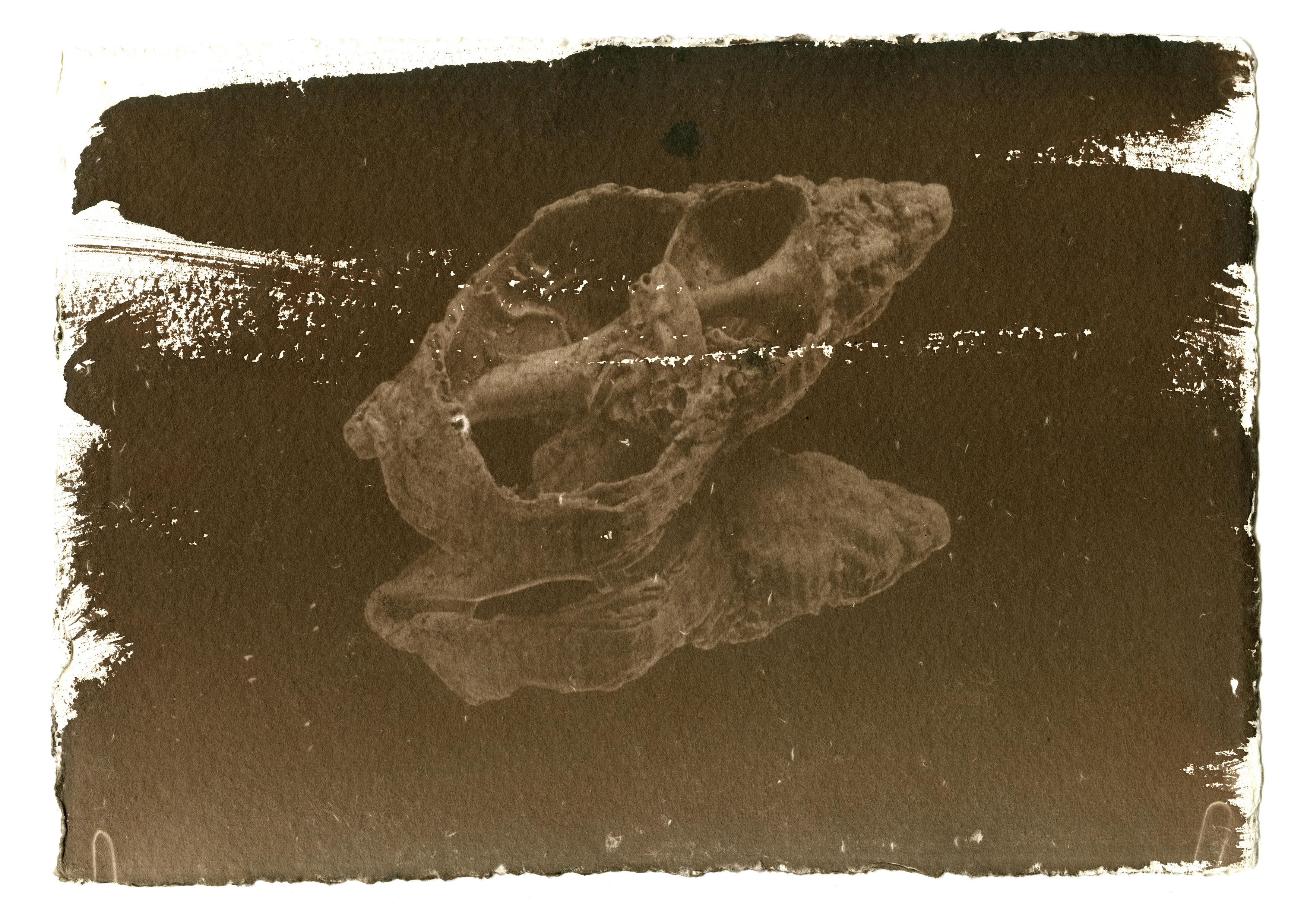
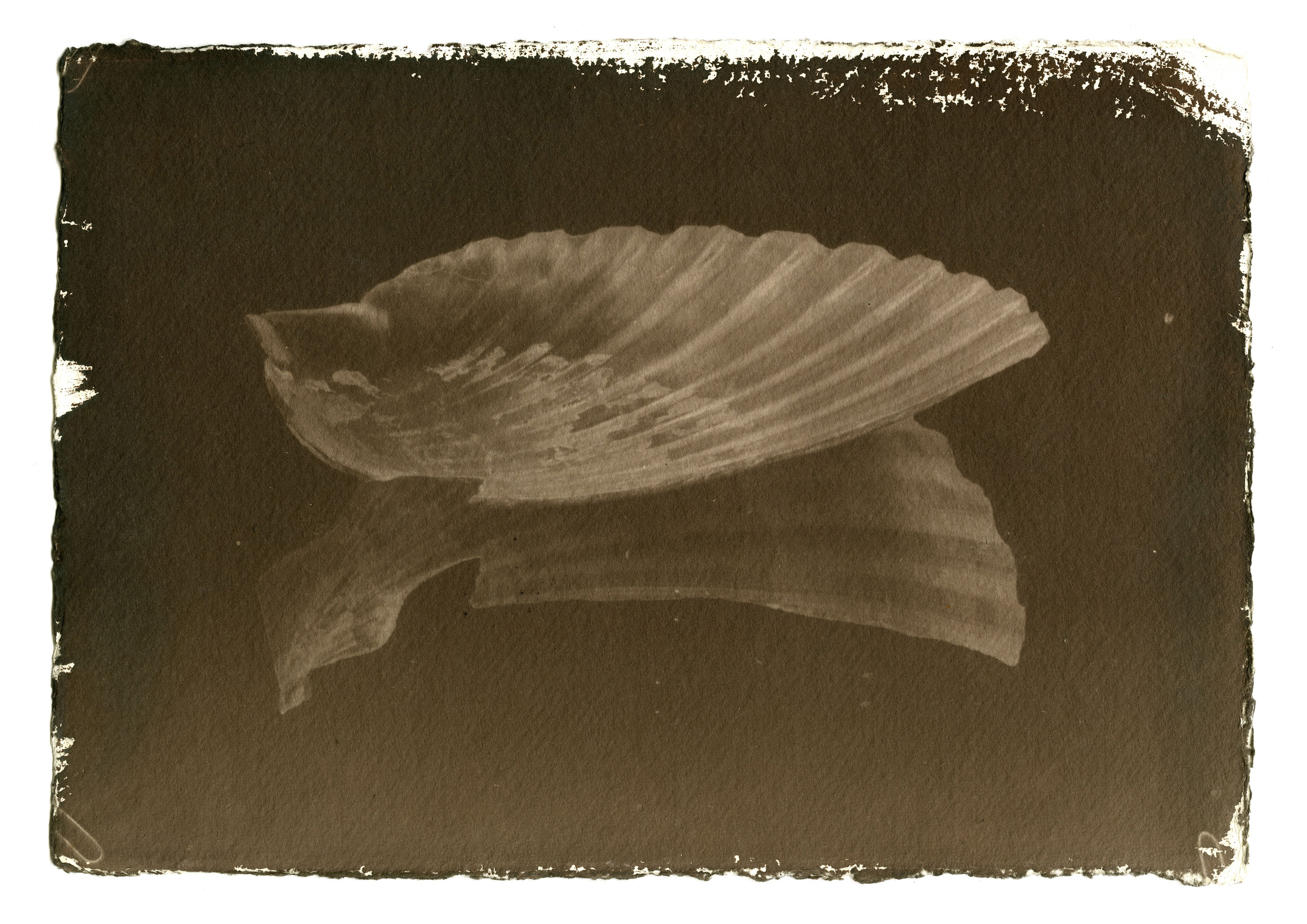
Calcium is a project which featured as part of Sodium Ink., a student collective exhibition held along Portobello Beach Promenade, Edinburgh, in late March 2023. The exhibition was made in conjuction with Art Walk Projects and Edinburgh College of Art.
The work consists of 7 salt prints created using salt obtained from the waters of Black Ness Bay, Portobello, Scotland. Limited edition prints and bottles of Portobello Sea Salt were provided to attendees of the exhibition launch.
Calcium was situated next to Joppa Bandstand, overlooking the archaeological site of Joppa Salt Pans, tying in local history, ocean ecology and site into one work.





Haar
2025
Haar is a cold sea fog which rolls into the East Coast of Scotland, most often between April and September. It is a dense fog which occurs when the warm, moisture laden air on the land meets the cold sea air.
Prestongrange
2023 - 2025
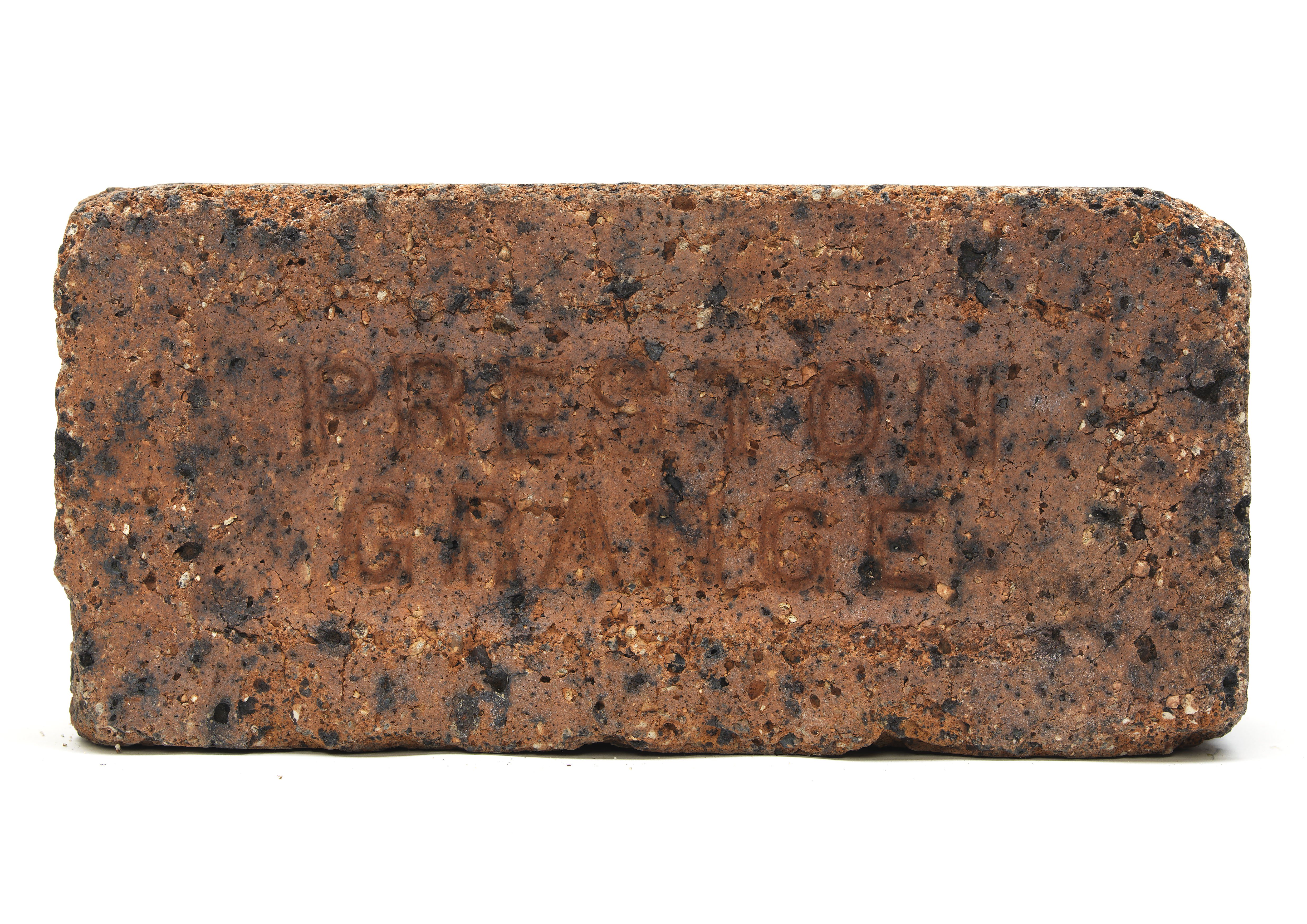
Prestongrange is a series of works revolving around the historic site of Prestongrange Brick and Tile Works, located on the southern shore of the Firth of Forth, East Lothian.
From the onset of the Industrial Revolution, works producing heavy ceramics, including bricks, pipes and tiles, flourished at Prestongrange, along with increased coal extraction. Prestongrange Brick and Tile Works closed in 1975.
The works in Prestongrange explore ideas of object value, fuction, industrial decline, through symbolic material choices and labour-intensive alternative photographic process.

Unbrick
(2023)
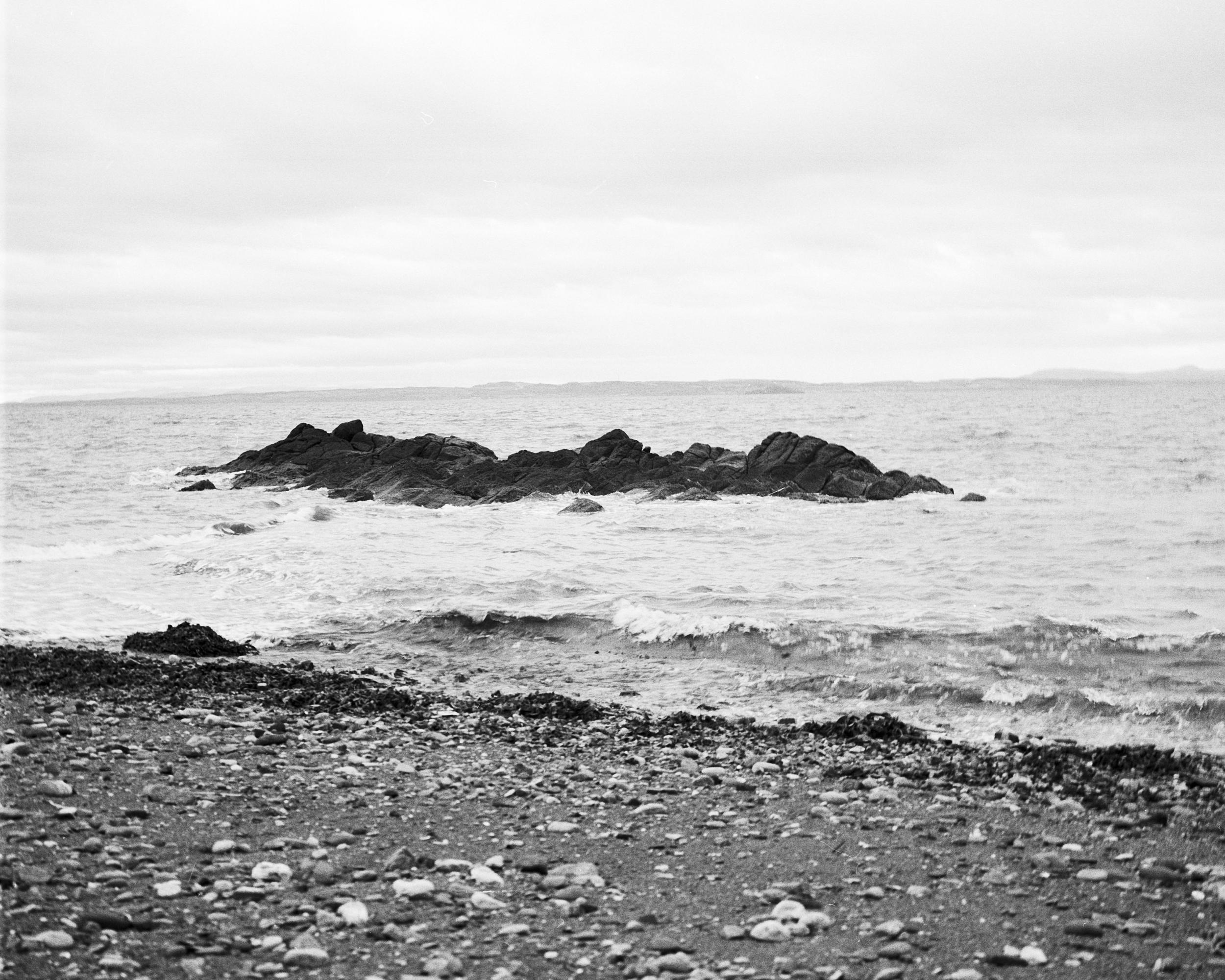 Prestongrange (120mm)
(2024)
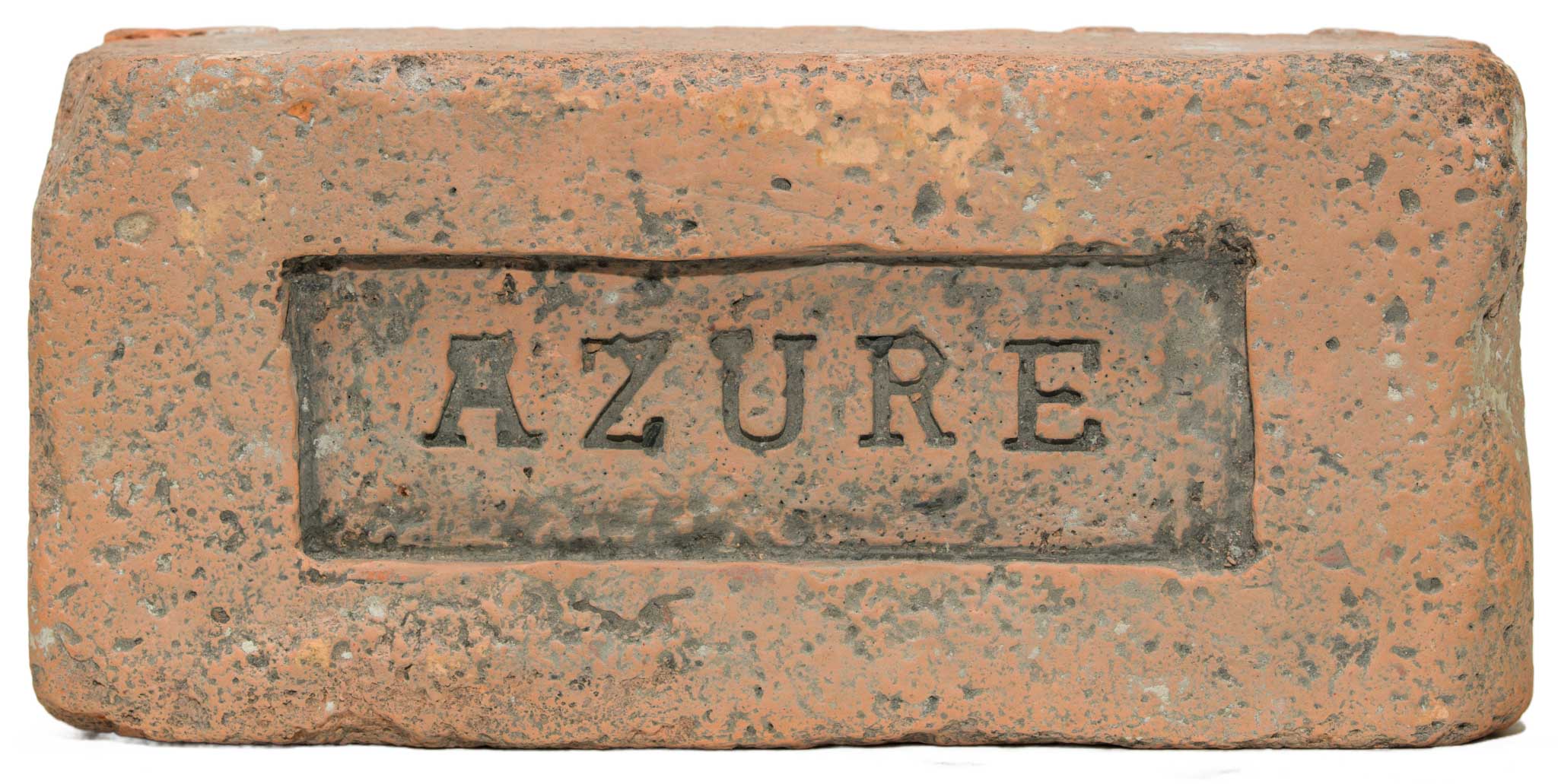 Dreaming as a Brick on Morrison’s Haven
(2024)
 Volume over Four
(2025)
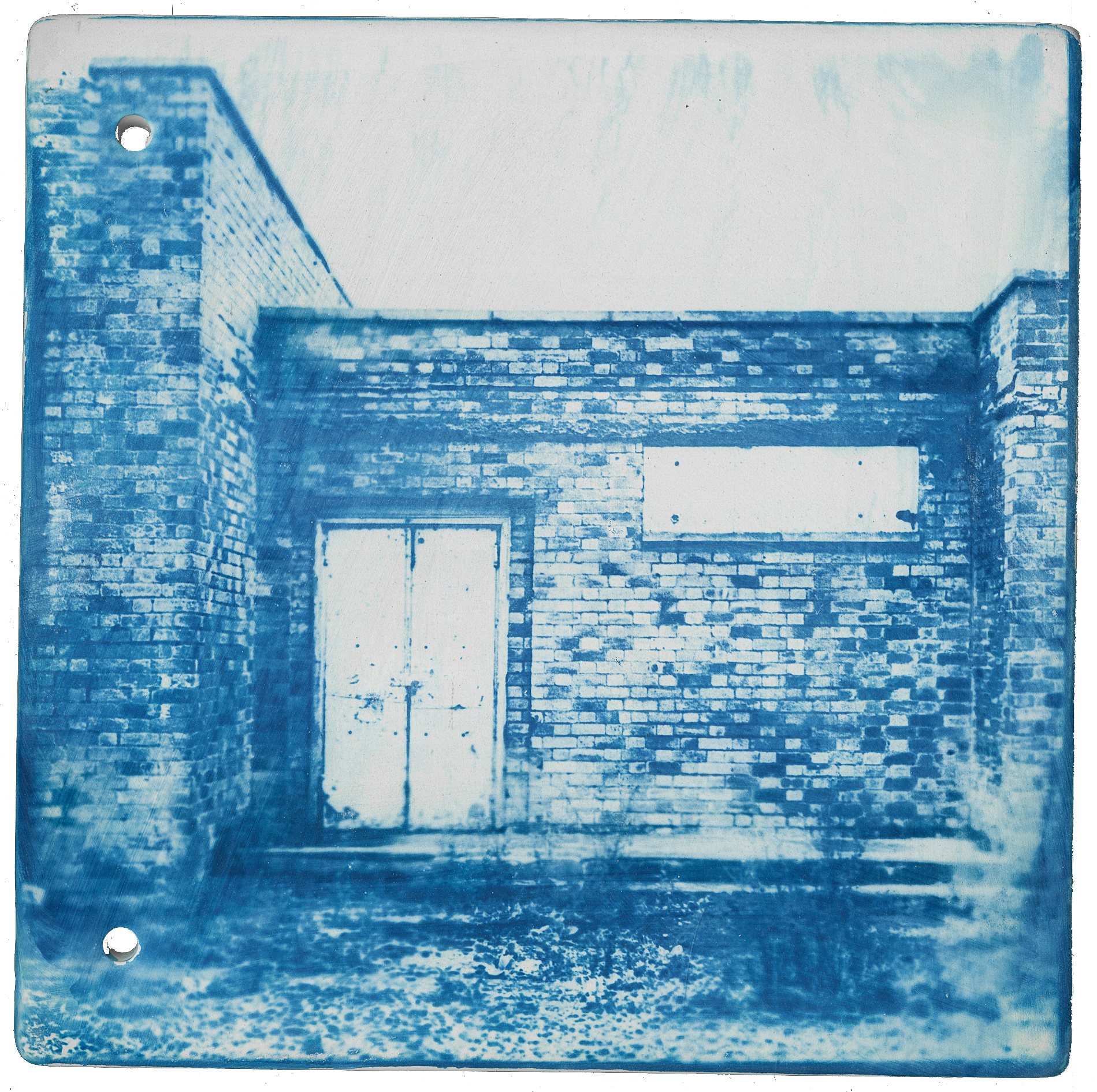


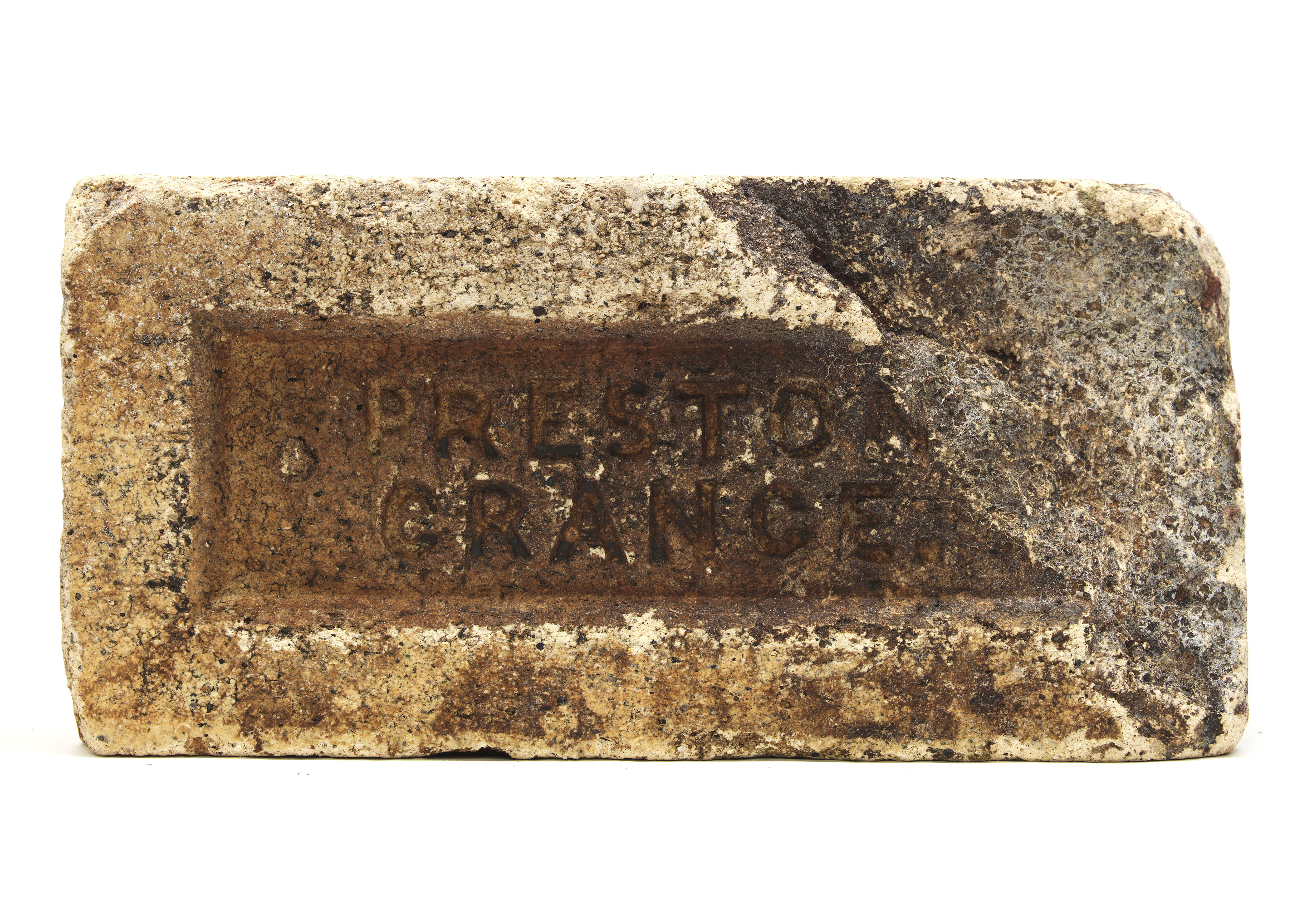
I am aware of damp souls (2024)
 Hoffman Kiln (24 hours in blue)
(2024)
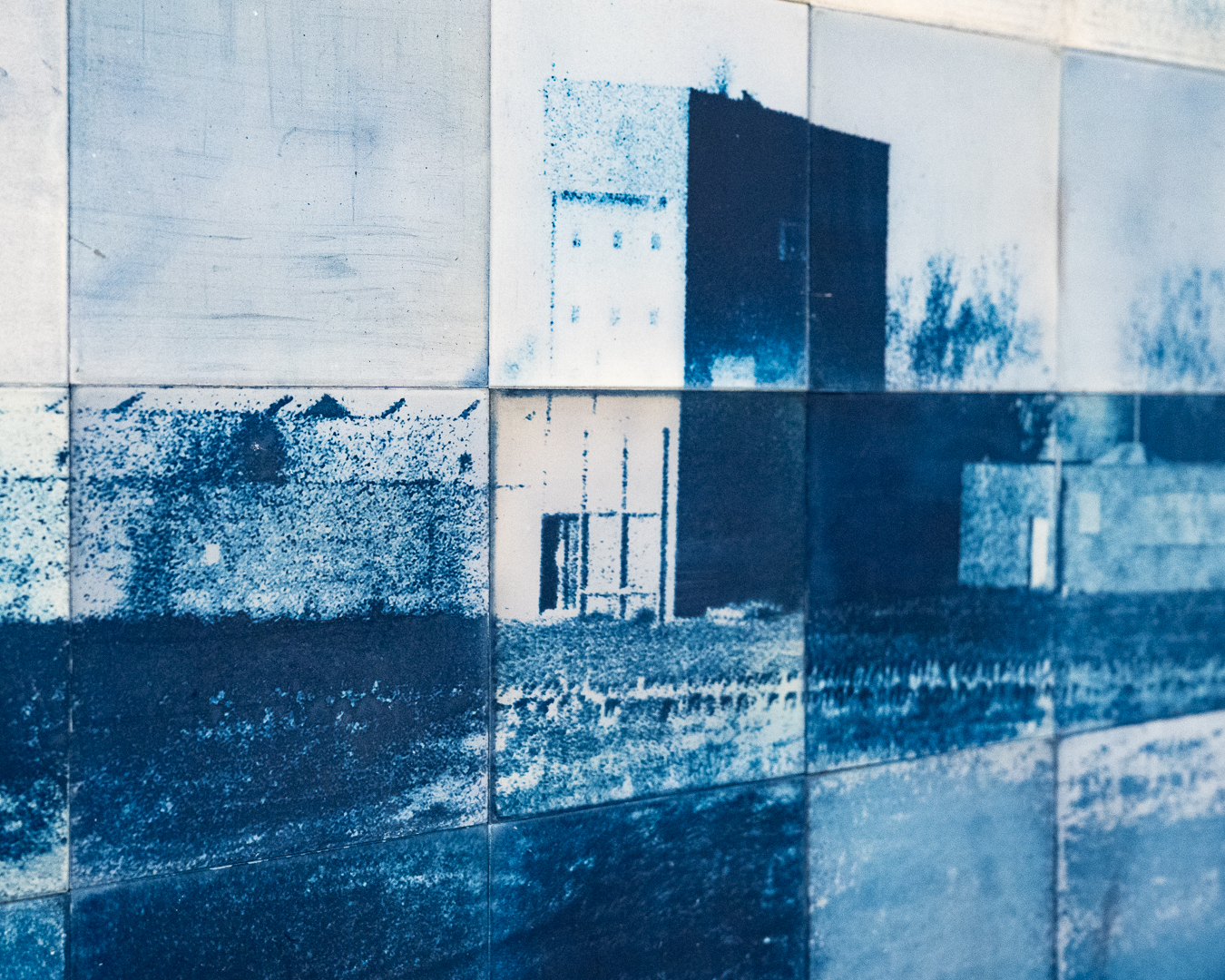 Beehive Kilns
(2025)
Unbrick
2023
Unbrick dissects the core components of ‘brick’, through a queering of materiality to create non-fuctional replicas, and examines the industrial decline in Scotland, particularly across Edinburgh and East Lothian.
Each found brick (and each agar replica) has been stamped, indicating it was made in brick works in the local area and all were collected from Morrison’s Haven - the former port of the defunct Prestongrange Brick and Tile Works.
Agar, used in petri dishes, is used in this work to collect bacteria, generating mould on the agar bricks. Viewers are invited to touch the replica bricks to feel their unexpected and recoil-inducing texture, accelerating the rate of mould production as each touch degrades the bricks.


Objet d’art
2023
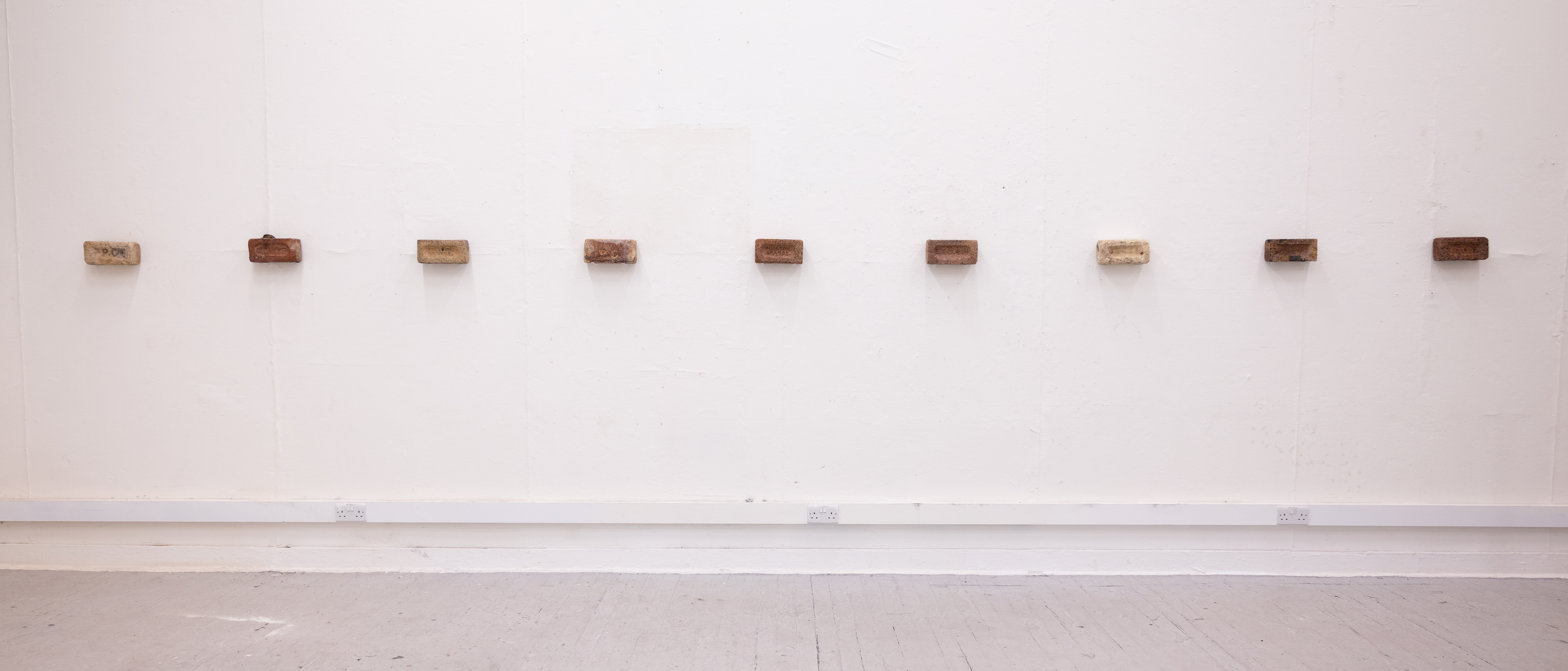
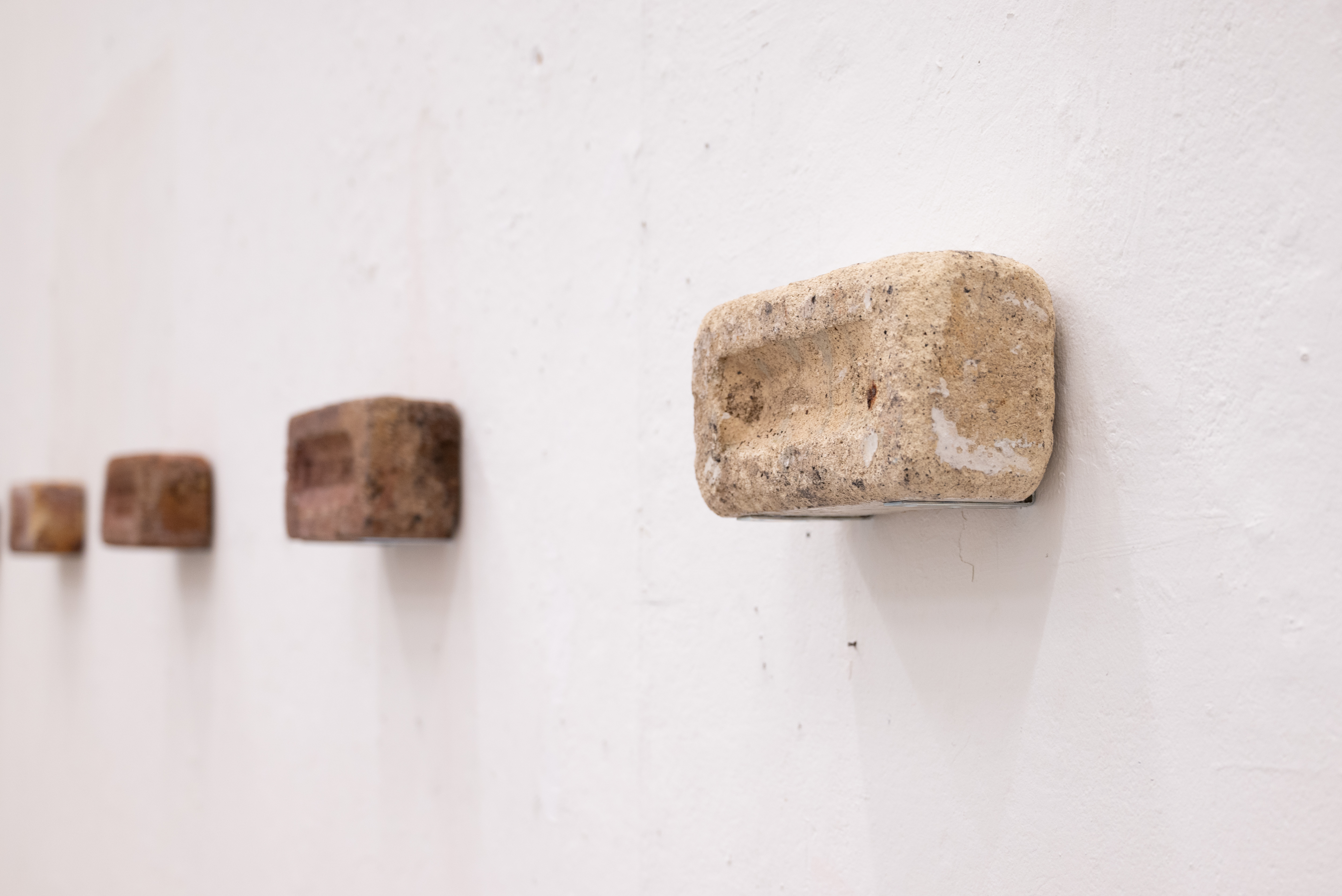
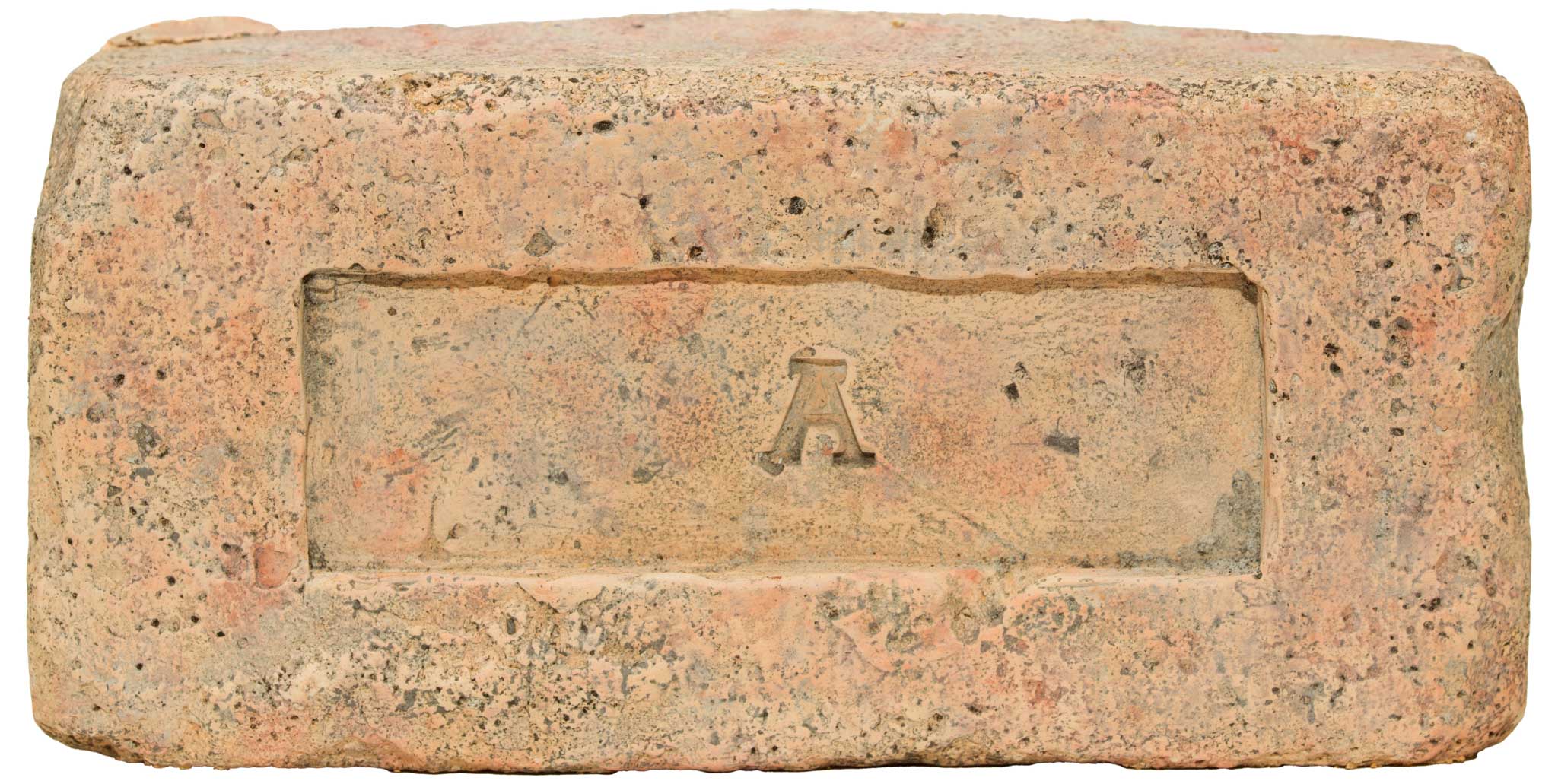
Objet d’art explores the disparity between art and worth through a minimalistic presentation of bricks made in and around Edinburgh at the height of the local brick industry.
Although a basic structural form and often overlooked, bricks are integral to any sedentary society. Objet d’art seeks to place these essential creations on a pedestal at the same level as art.

I am aware of damp souls (Prestongrange bricks)
2024
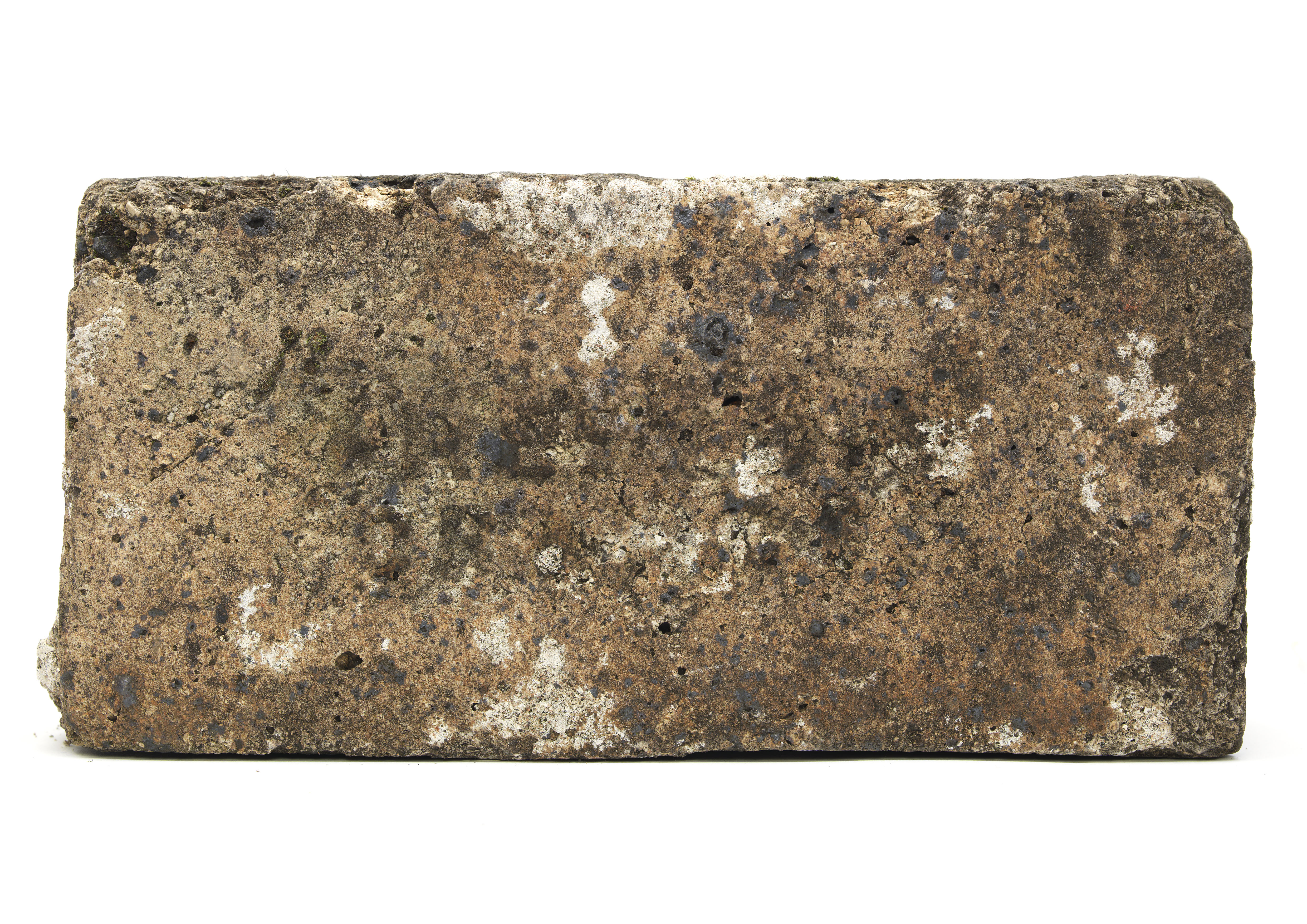
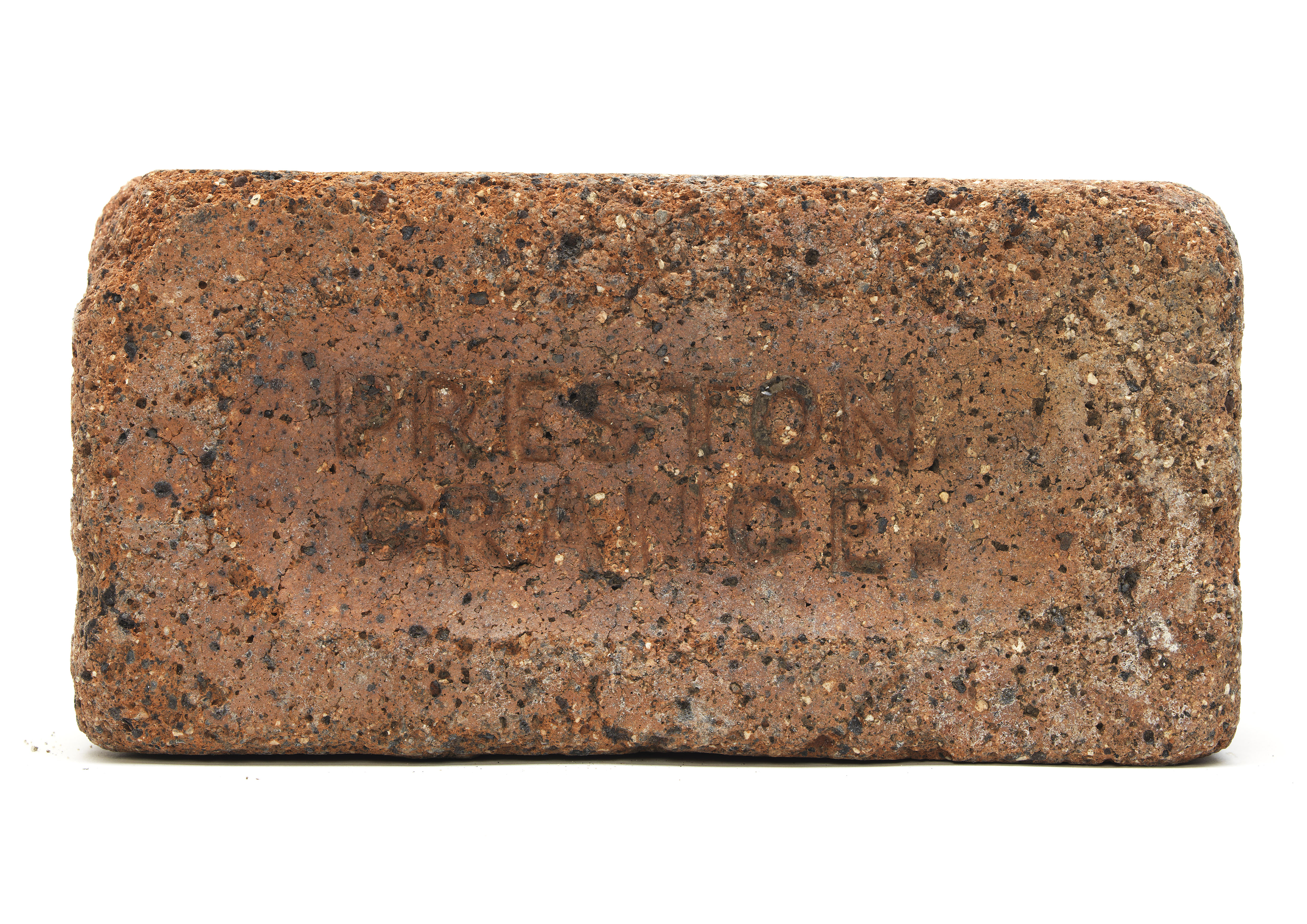
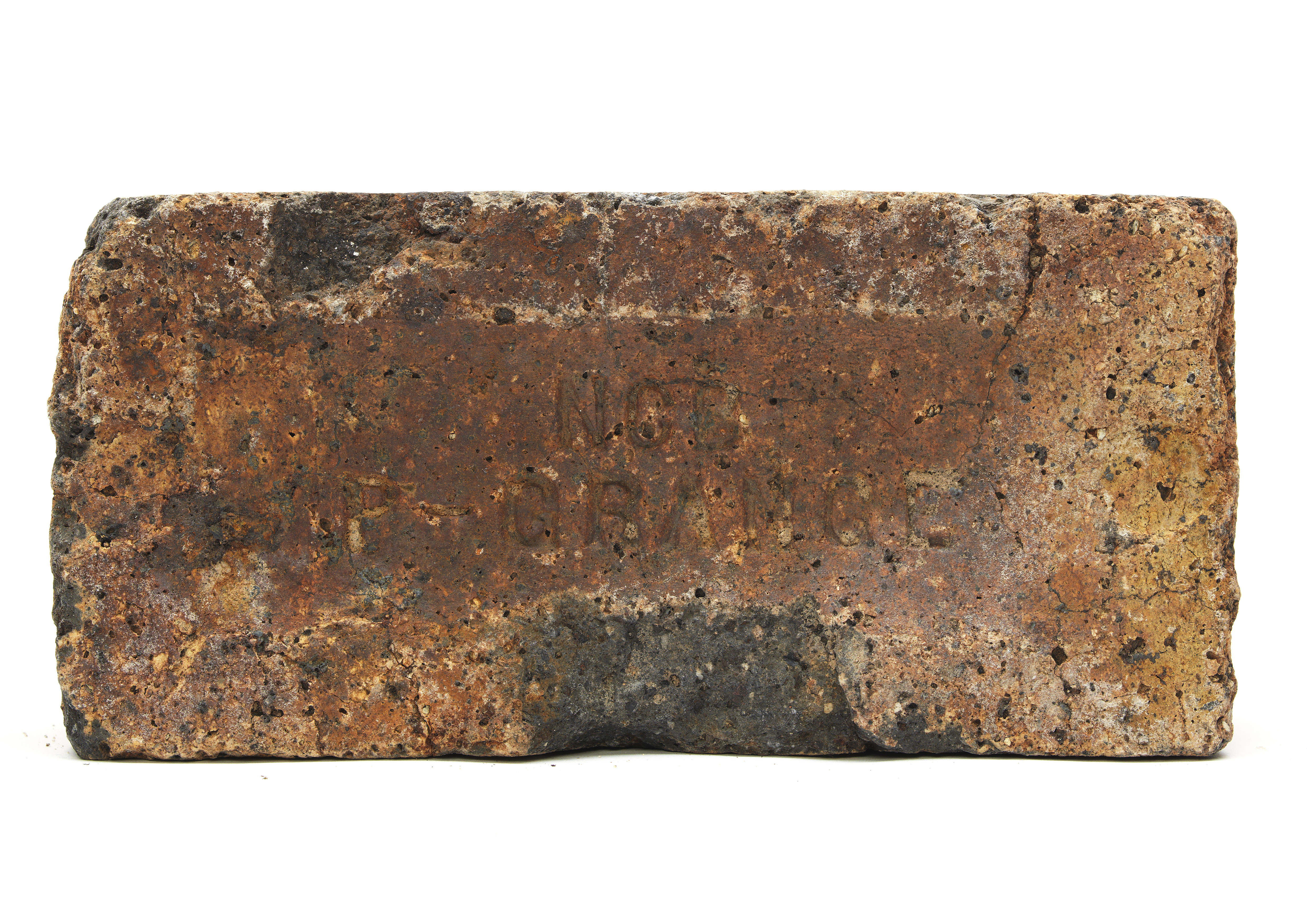
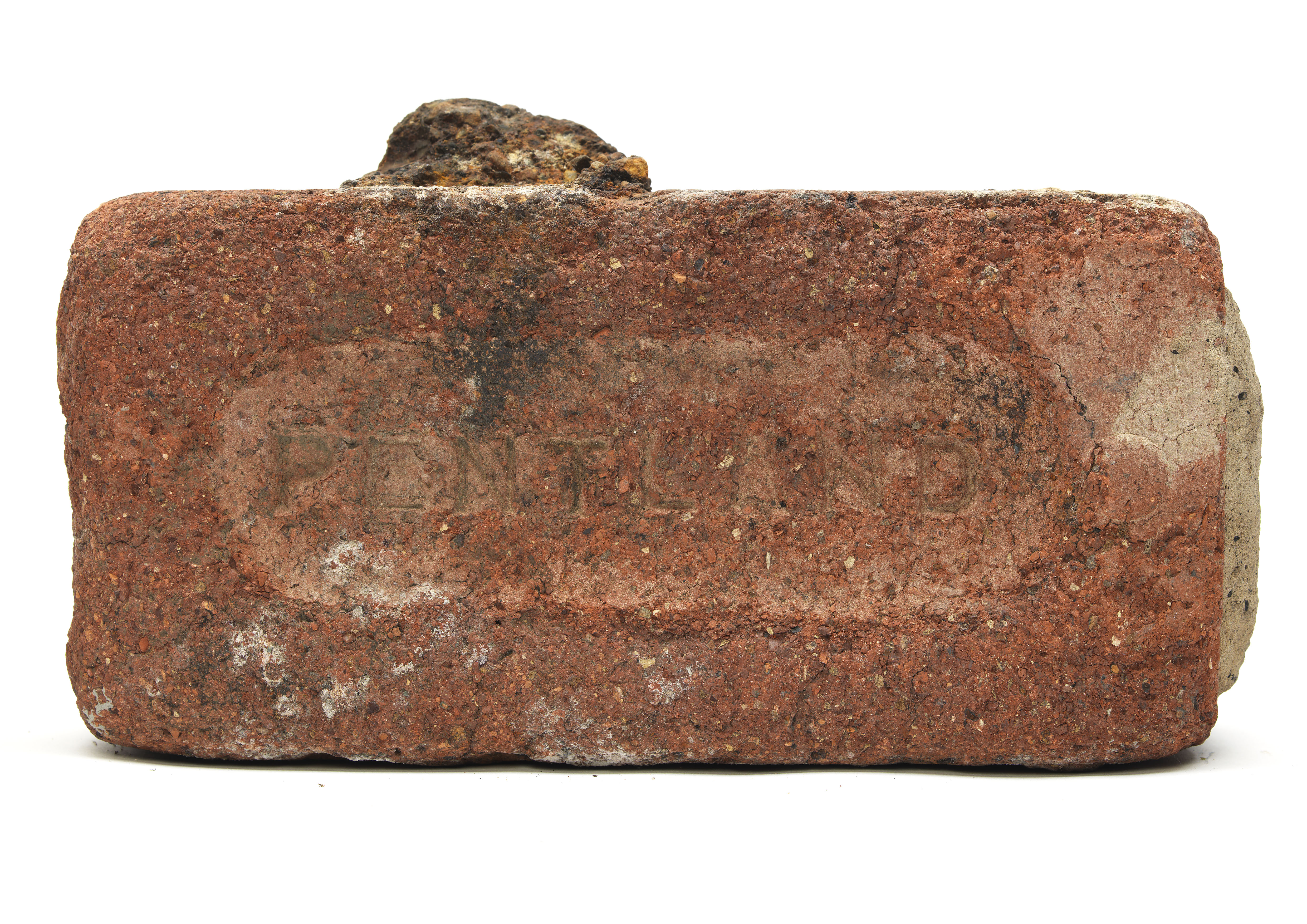
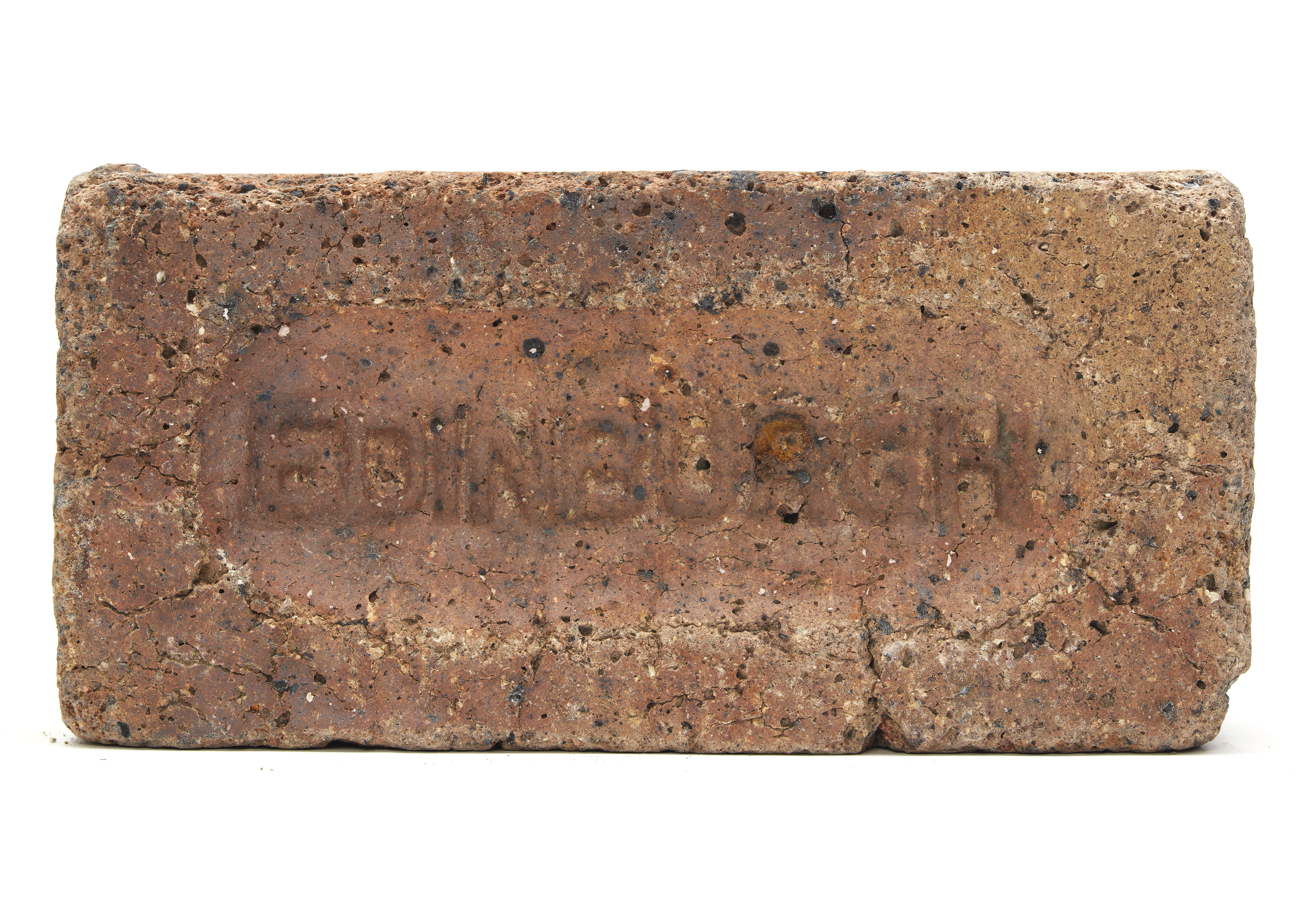
I am aware of damp souls (Prestongrange bricks) is a series of photographs which seek to highlight the beauty, variation and personality of bricks found along Morrison’s Haven, East Lothian.
The title, taken from T.S. Eliot’s 1914 poem, Morning at the Window, alludes to ideas of the passive viewer who is detached, especially in the gallery space, from the context and harsh reality of the brick industry.
Dreaming as a brick (on Morrison’s Haven)
2024
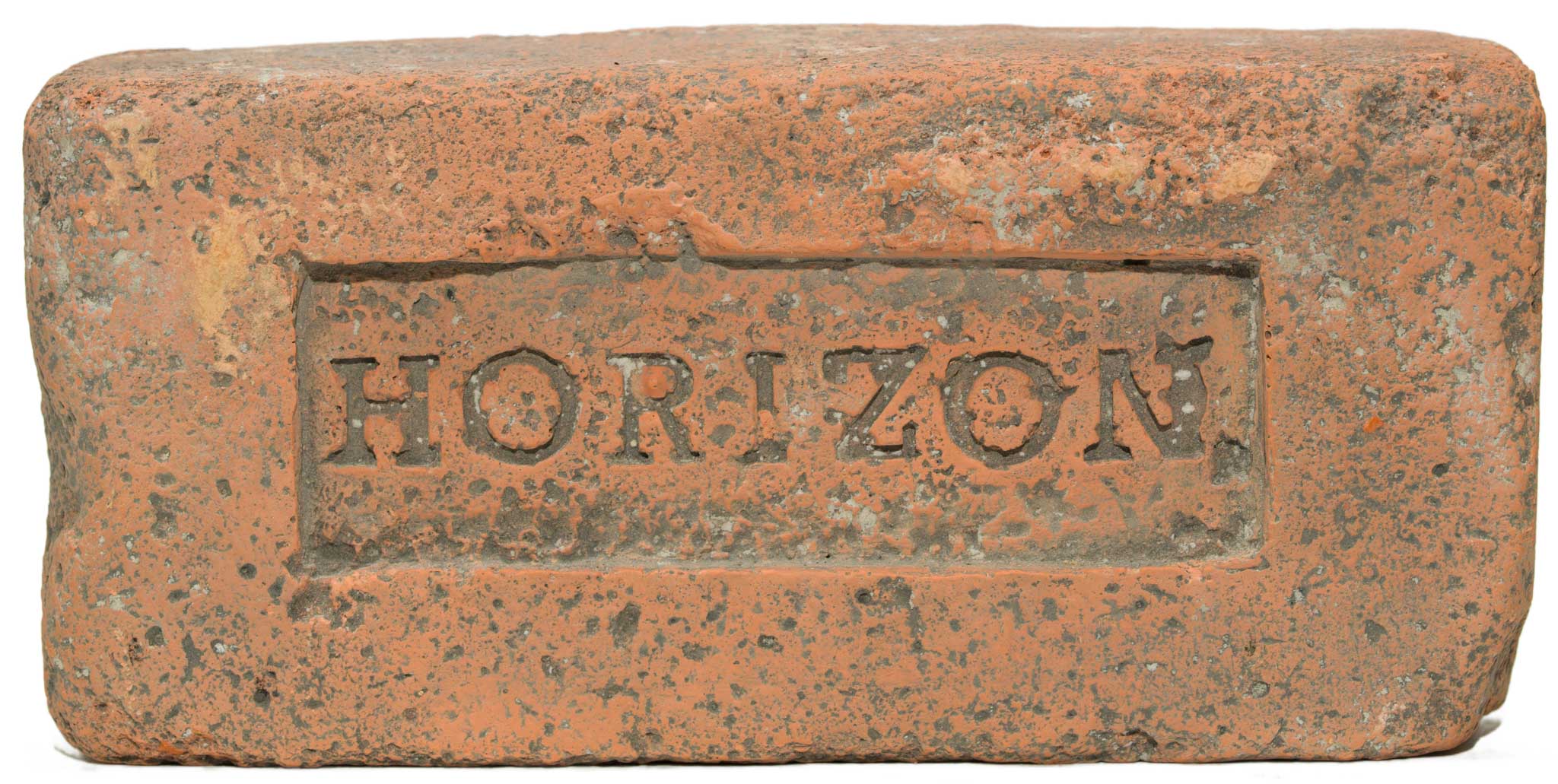
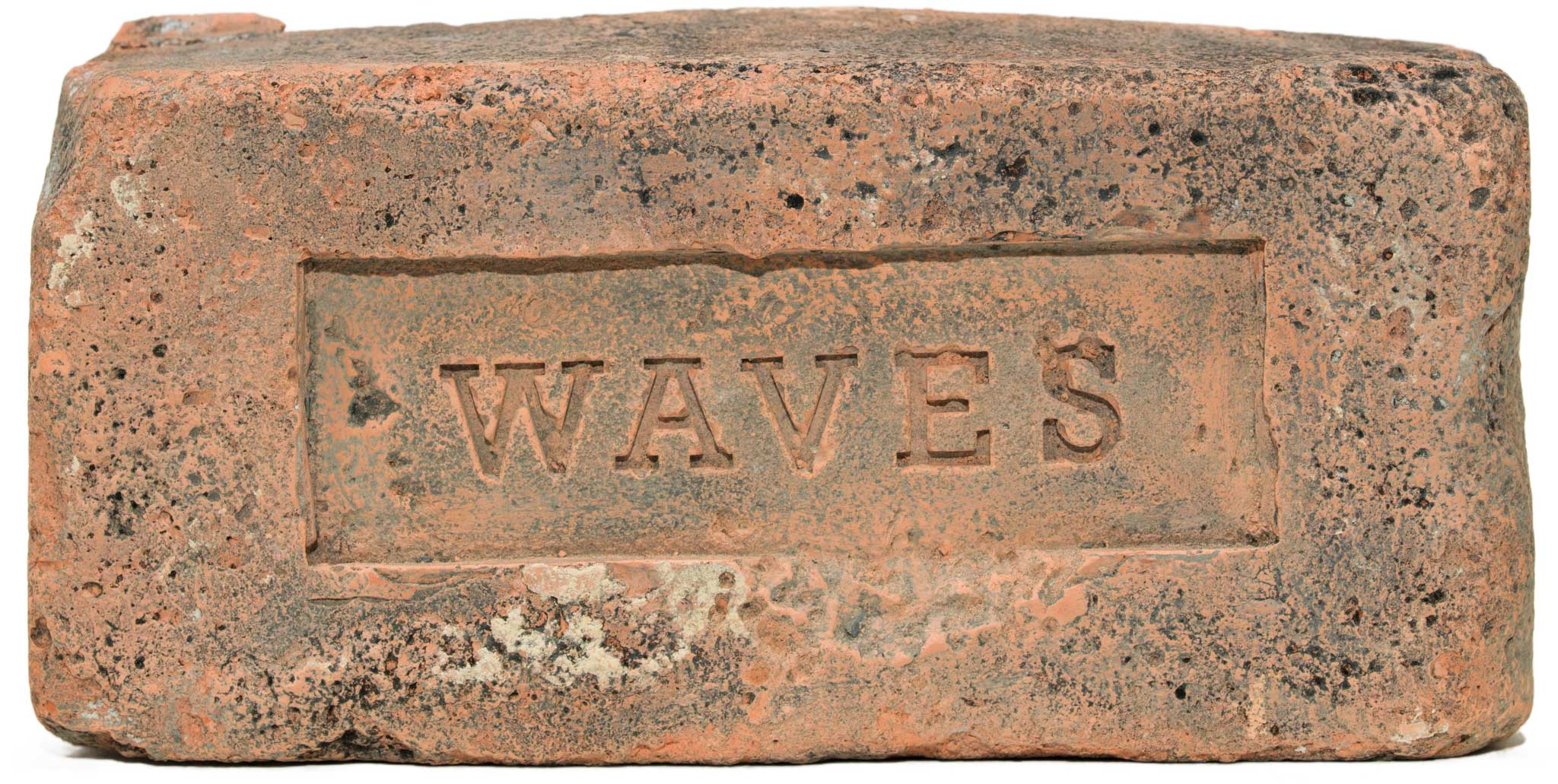
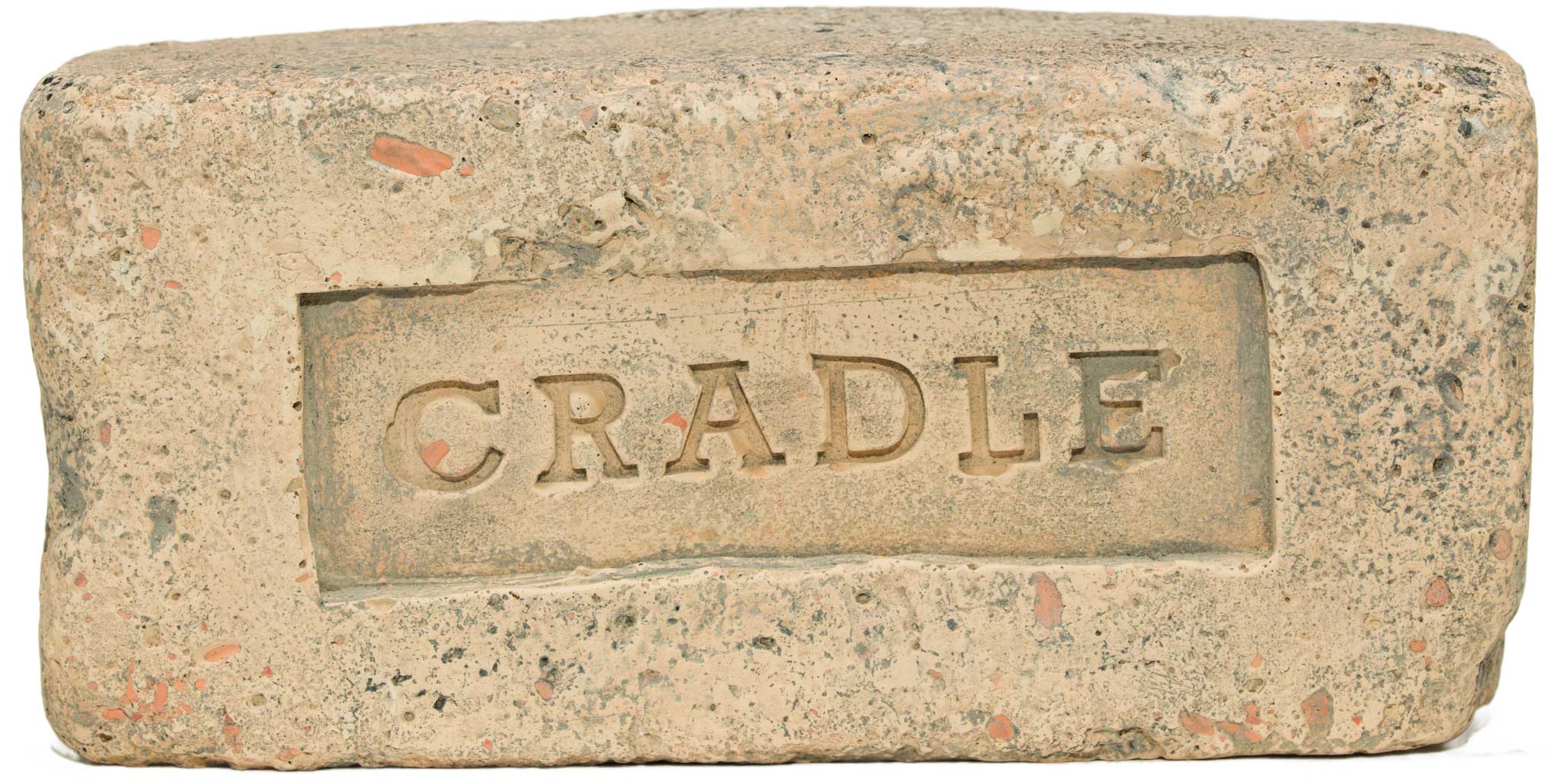
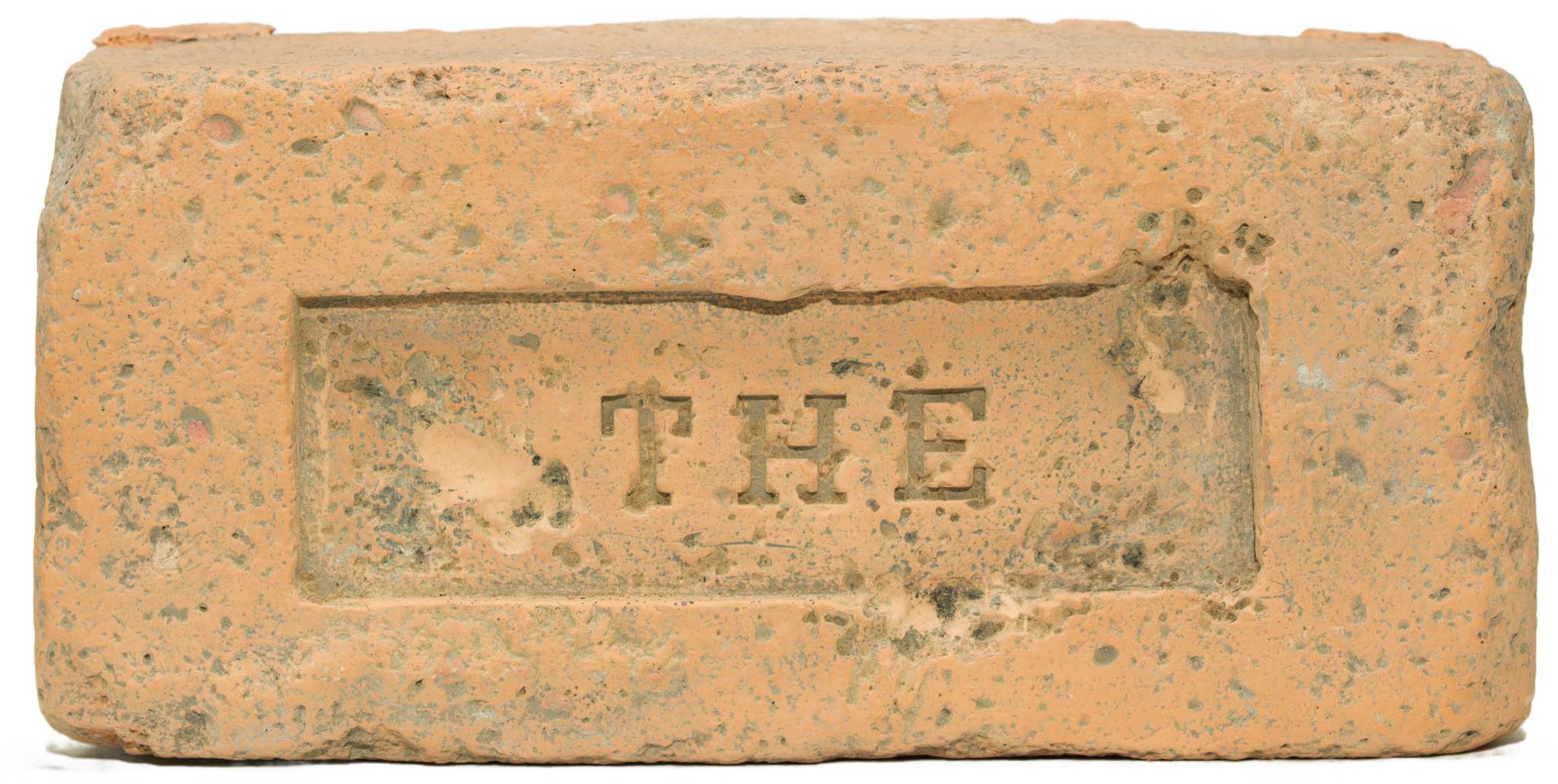
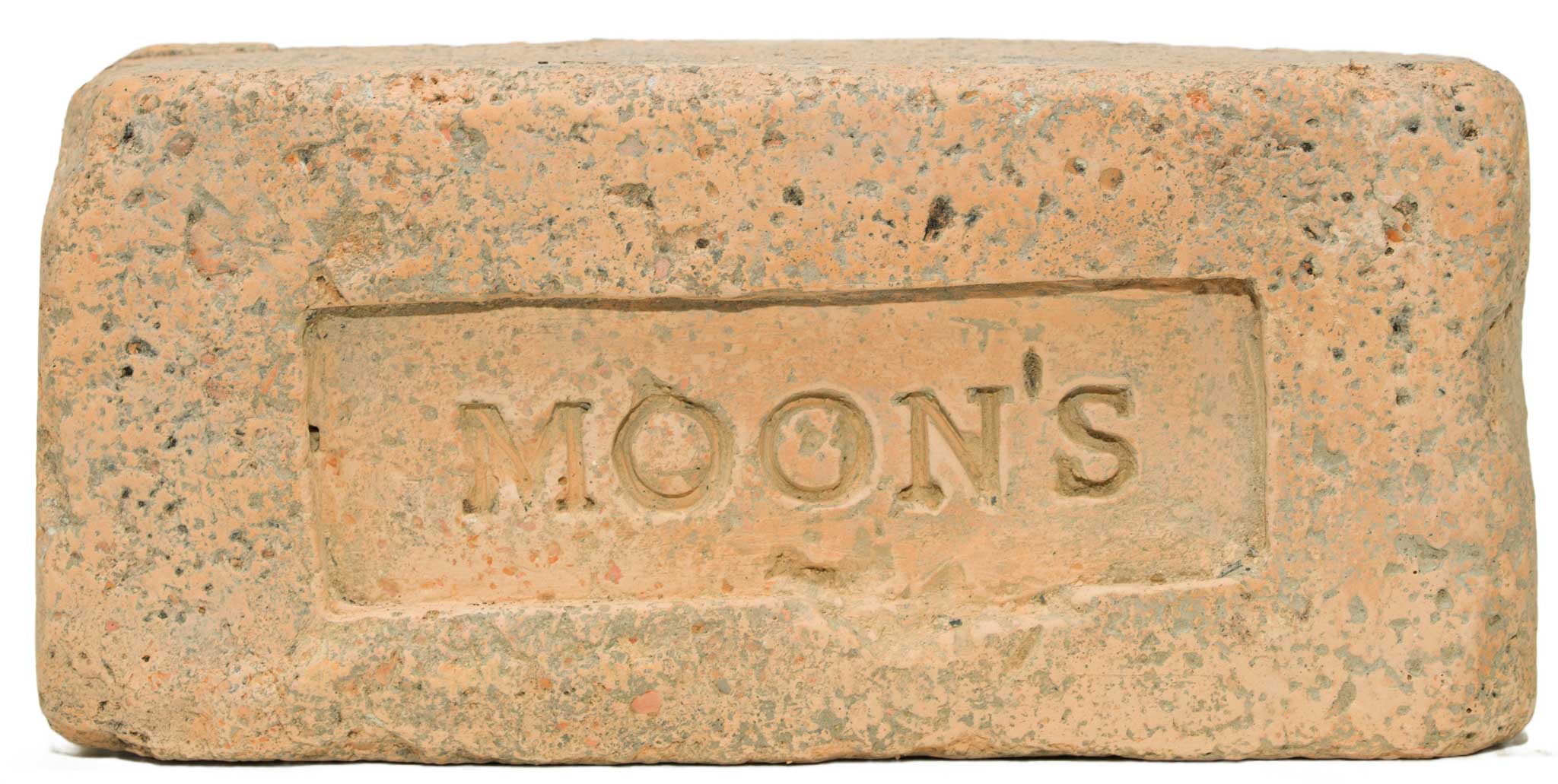
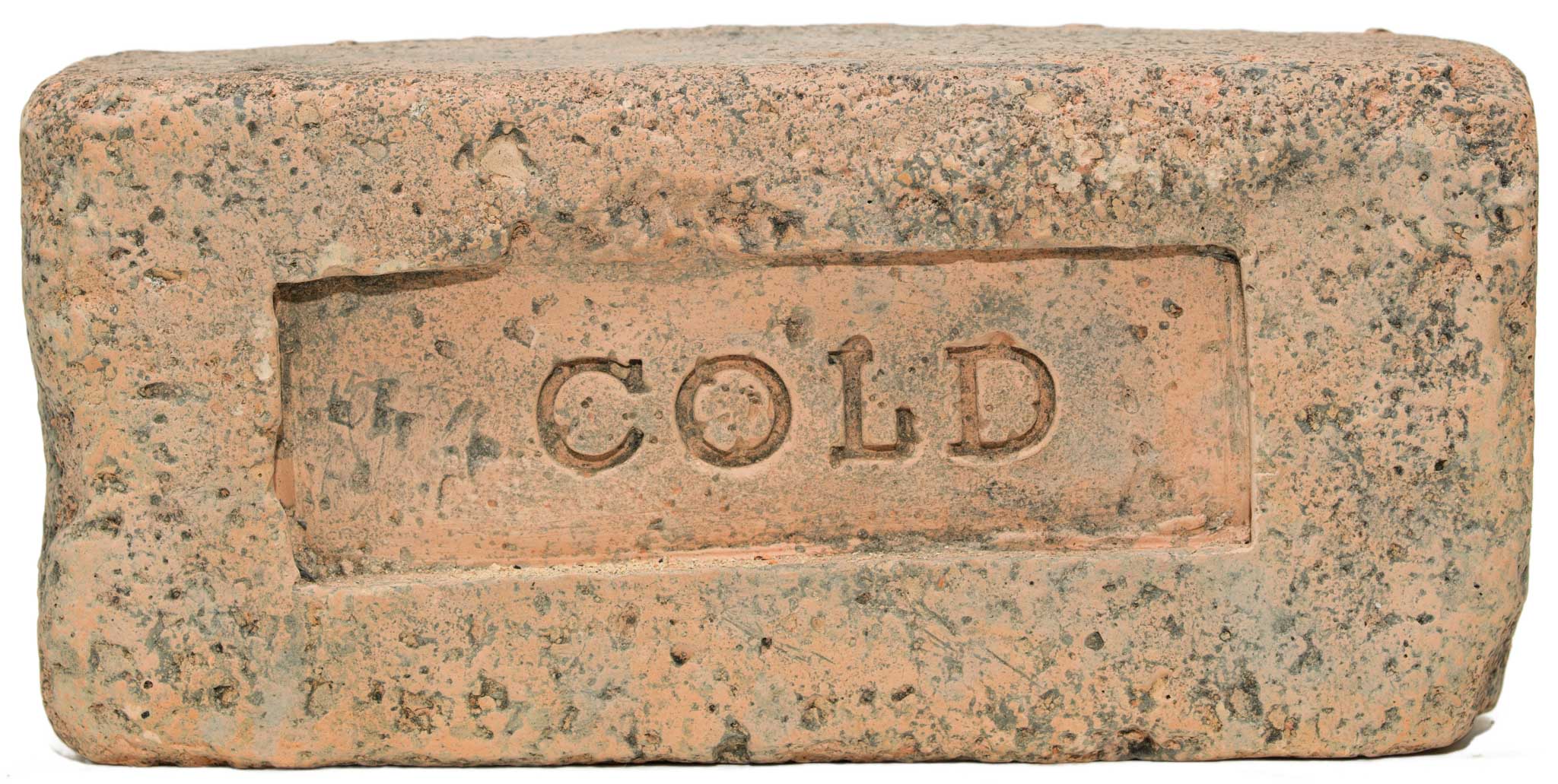
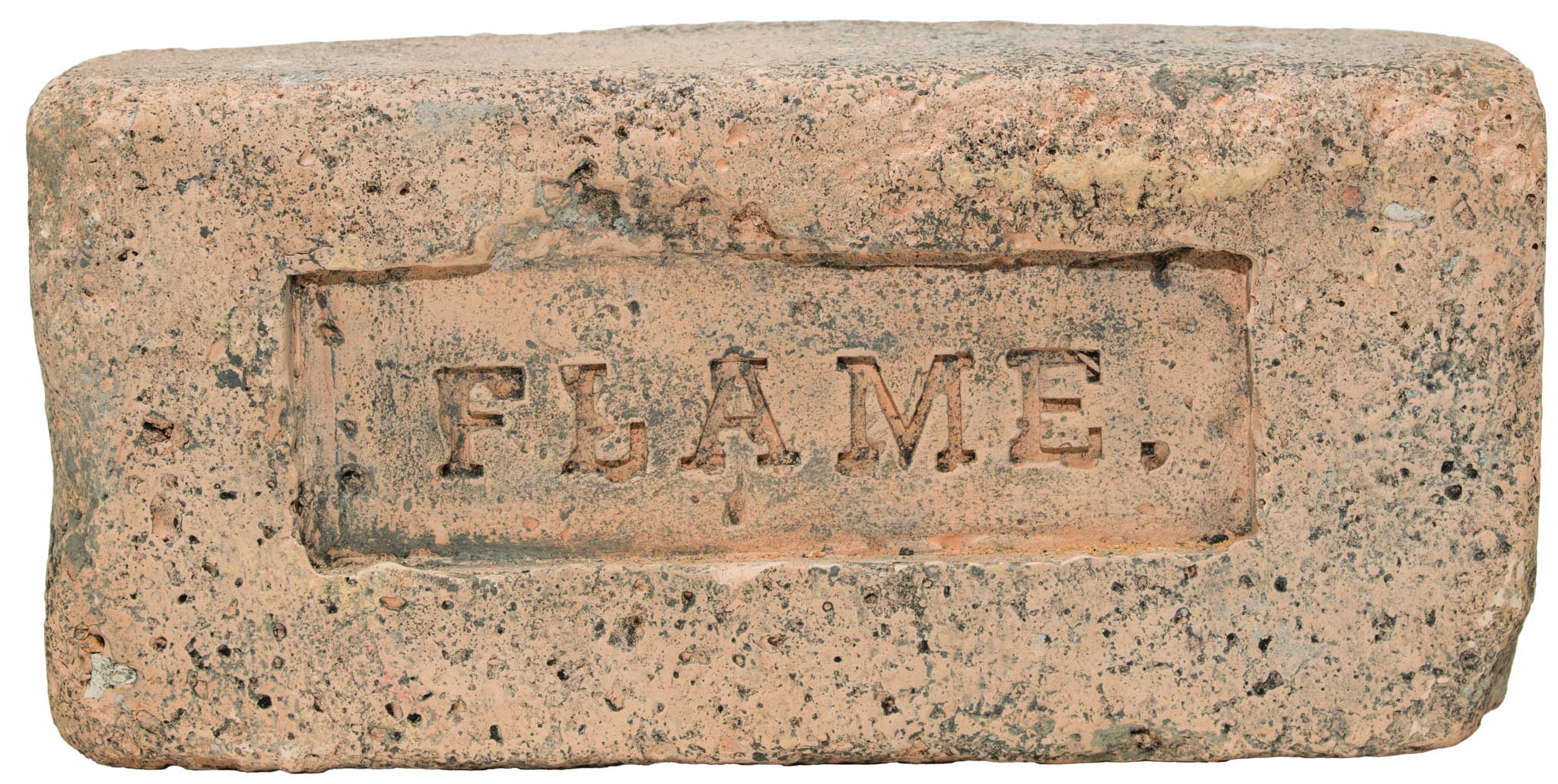
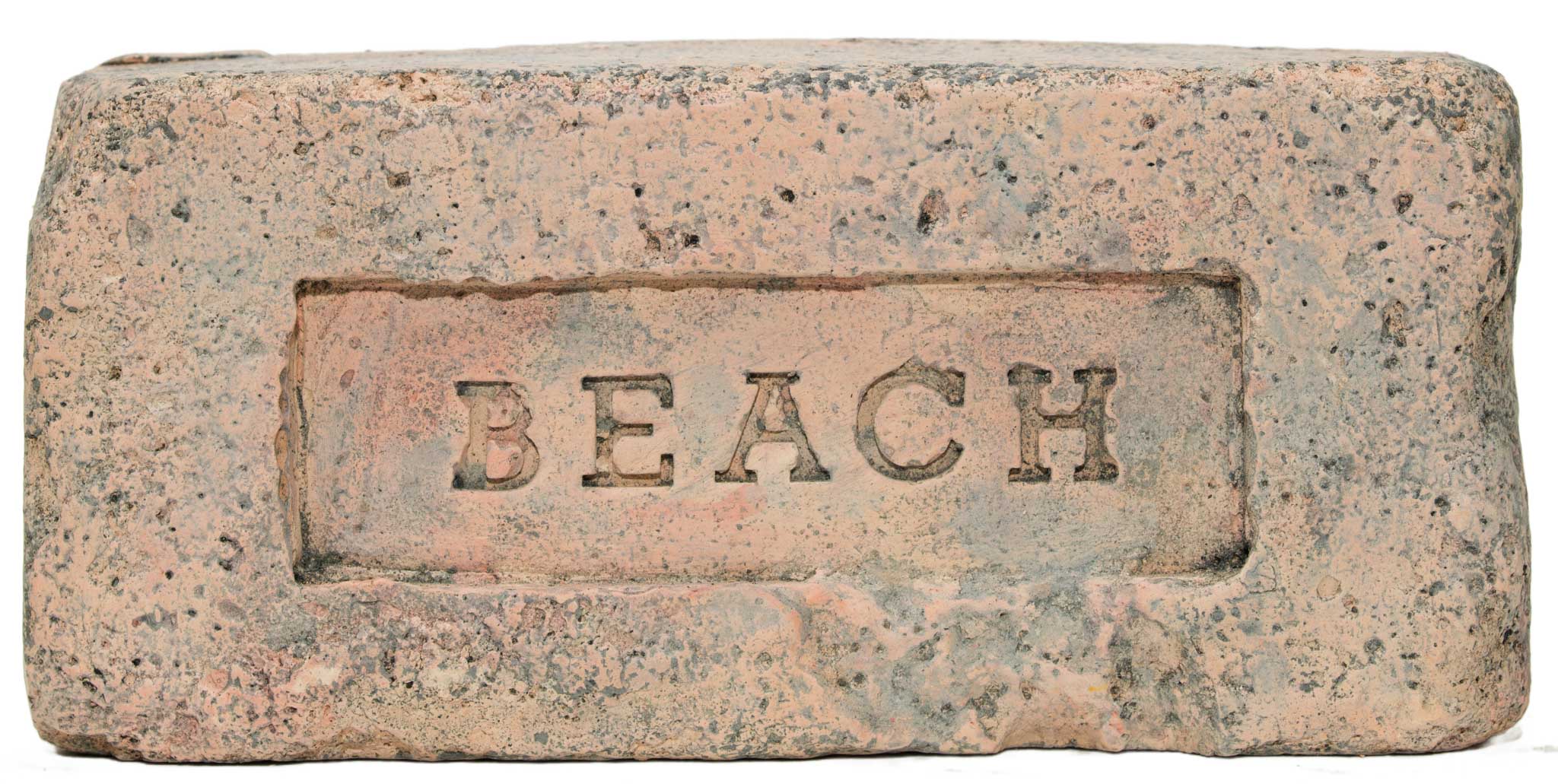
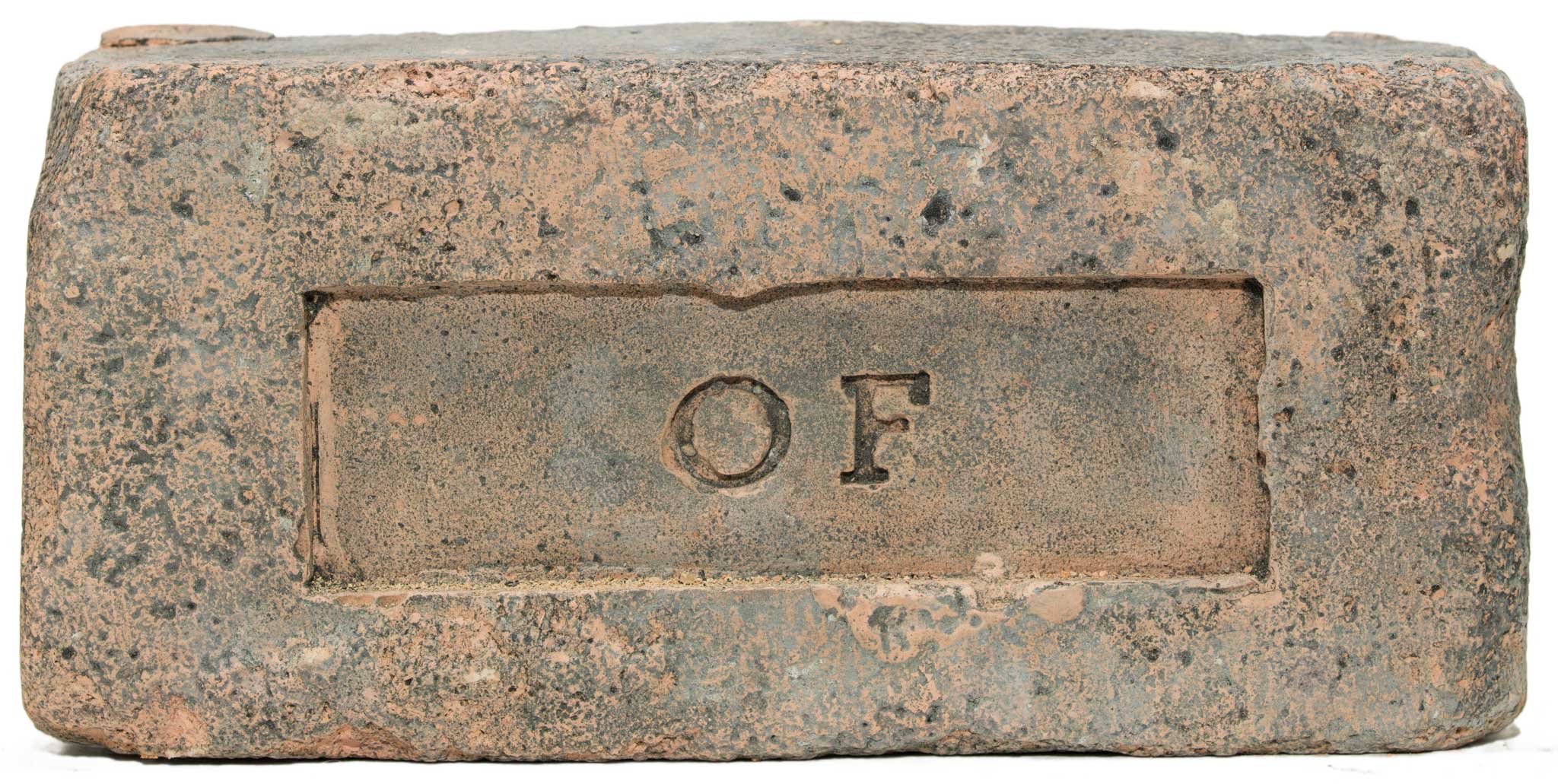
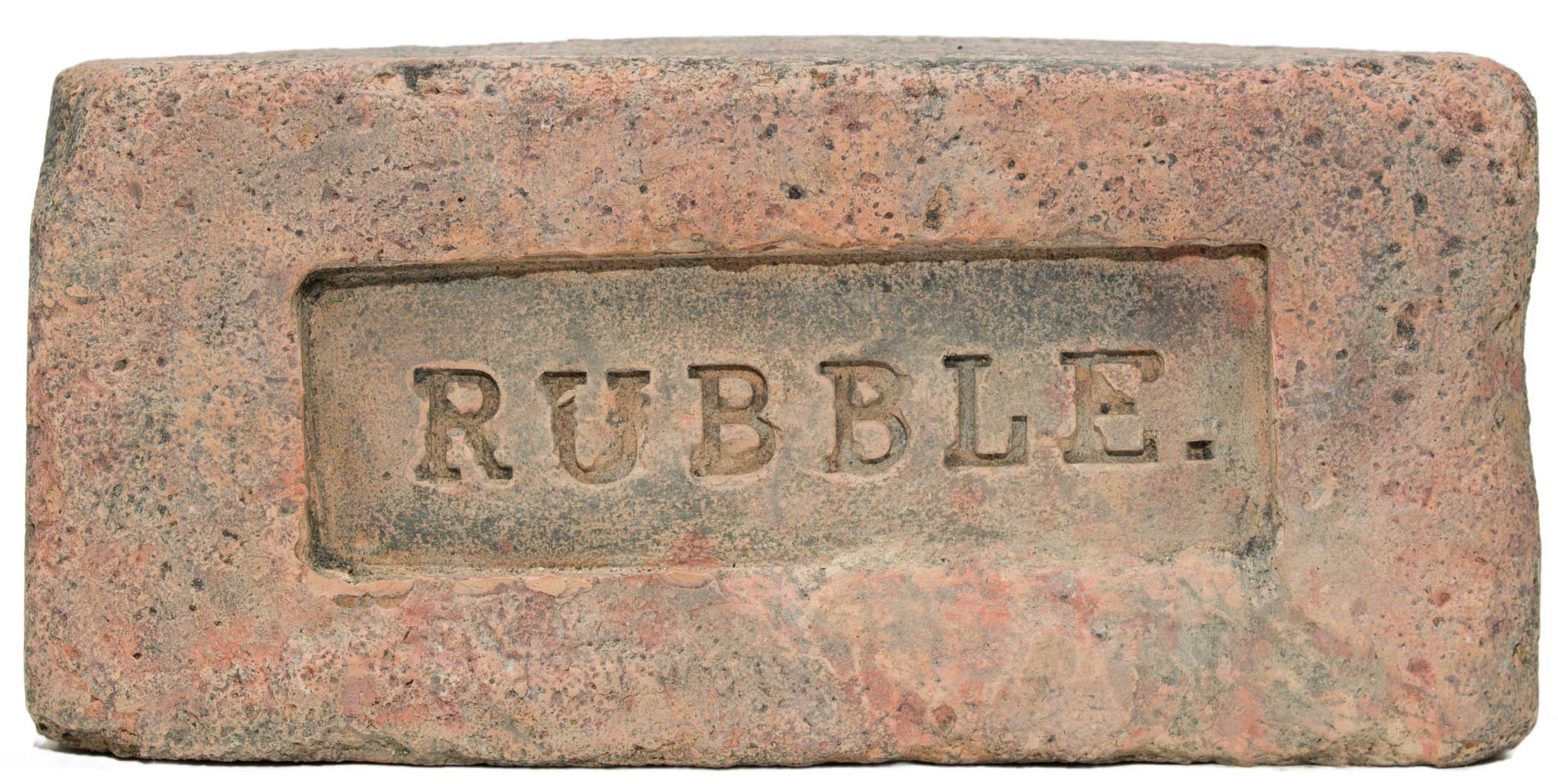
Dreaming as a brick is an installation comprising of 12 plaster bricks, each embossed with a word in place of the brick ‘frog’ or stamp which come together to form a haiku.
Using haiku conventions, the work imagines what a brick could dream of when sitting, discarded on the beach at Morrison’s Haven, East Lothian. Functioning as poetry, the bricks are rendered redunant of their original purpose, whilst also asking questions about the value we place in traditional art objects, or more conventionally highly-valued items.

At the end of February 2026, my disillusionment with politics, societal norms and mass- and social- media reached an all time high. I was supposed to be making the most of my 20s, and yet...
Ossified in a paralytic state of despair, I continually questioned my role in the world (more than I ever have) - what could I possibility contribute in an environment that seems so saturated with Mannonism, bigotry and deep-seated apathy?
Musings emerged from these feelings of stagnation. Yes, perhaps it is rambling, inconsequential and largely procrastinatory, but I want to collect some reflections and observations of the world around me - both small details and bigger issues - in a rejection of apathy.
There are no specific parameters here. I am recording the things that interest me and things I believe are important.
The Road to Wigan Pier
(27th February 2026)
First published in 1937, George Orwell’s investigation of the living conditions of working class communities, specifically mining, in Lancashire and Yorkshire has been my most recent read. I’ve been reading it on the train in the morning on my commute to work.
My dad lent me this copy of The Road to Wigan Pier - well-worn with a battered spine, browned pages and that old book smell. I’m a big fan of this bright orange cover with the image of a stream of (presumably) colliers overlaid on an image of two chimneys, one smoking, and a winching system. I like that you can see the industrial plant through the faces of the men, as if that’s their whole existence, and that they and the coal mine form the entire ‘landscape’. The orange (much brighter in person) references the colour of the original edition for the Left Book Club. It’s more complicated than you first realise.
I’ve only read one other book by Orwell in recent years. Not Nineteen Eighty-Four (I’ve never actually read it but I’ll get around to it) but Coming up for Air. I didn’t really enjoy that one, primarily because I can’t stand George Bowling. I know you aren’t supposed to like him but it was a bit tedious after a while. I read Animal Farm a long time ago; my parents have a Folio edition with the most fantastic Quentin Blake cover. I remember looking at it on the shelf from my seat at the dinner table in our house in Whitnash, England.
The first part of The Road to Wigan Pier, although written nearly 90 years ago, describes struggles startingly similar to those people face today. Yes, of course, there are differences; the North of England is no longer dominated by bare slag heaps, perpetually engulfed in smog and the majority of (housed) people who live in poverty have access to a toilet or bathroom inside the place they live1. However, Orwell describes a severe lack of well-built, well-integrated and affordable housing (sound similar?) and that those on the dole (read today as ‘benefits’) can hardly afford to eat despite claims in the media that they can.
Orwell isn’t a saint. He writes about working class people in a mixture of reverance, superiority and disgust (‘working class smell’ is a real obsession of his), and in the second half of the book describes Burmese2 men in similar way but with added racist rhetoric.
In the second half of the book, Orwell discusses his middle-class upbringing, political conscience, colonialism and questions British attitudes to socialism. He rambles a fair amount and I won’t get into it all but there were some interesting quotes:
p.194 “I suggest that the real Socialist is one who wishes to see tyranny overthrown”
p.194 “[to some othordox Marxists] the whole Socialist movement is no more than... a leaping to and fro of frenzied witch-doctors to the beath of tom-toms and the tune of ‘Fee fi fo fum, I smell the blood of a right-wing deviantionist!’” (I’d be entertained to hear an actual song with lyrics like that.)
p.200 “Probably we could do with a little less talk about ‘capitalist’ and ‘proletarian’ and a little more about the robbers and the robbed”
p.201 “...the central fact that poverty is poverty, whether the tool you work with is a pick-axe or a fountain pen.”
In general, I enjoyed The Road to Wigan Pier. I actually found Orwell, for all his faults, fairly introspective. He genuinely had a desire for people to band together, regardless of their background, for the common good. I preferred his descriptions (although sensationalist at times) of staying in mining communities - a little more human and certainly transporting.
1. I say “inside the place they live” rather than ‘in homes’ or their ‘own’ bathrooms as some people are housed in hostels with shared bathrooms. I doubt many people who are forced to live in temporary accomodation would call the place they live ‘homes’, certainly not those who may be met with bigots calling for their executions outside when they are simply seeking asylum.
2. Here is a good resource on the history and contemporary discourse on the naming of Burma/Myanmar. There are 135 recognised ethnic groups in Burma/Myanmar, and the government of Myanmar uses the word Burmese to describe all citizens.
My dad’s copy of The Road to Wigan Pier:
![]() An example of the Left Book Club edition:
![]()
The Folio edition of Animal Farm illustrated by Quentin Blake:
![]()
 An example of the Left Book Club edition:

The Folio edition of Animal Farm illustrated by Quentin Blake:

Preposition
(6th March 2026)
about above across after against along among around at before behind below beneath beside between by down during except for from in inside into like near of off on onto out of outside over past since through to toward under until up with
Cawood, E., (2026), Without
![]()
Cawood, E., (2026), Across
![]()
Cawood, E., (2026), Inside
![]()

Cawood, E., (2026), Across

Cawood, E., (2026), Inside

Meccano
(11th March 2026)
This short collage series has been made with images of toys illustrated in editions of the Meccano Magazine from 1958 - 1959.
Meccano 1 references the uses of bulldozers by Israeli forces to flatten Palestinian villages and agriculture.
Meccano 2 & 3 were made in response to the ongoing American and Israeli bombing of Iran and Lebanon and the Iranian regime’s subsequent retaliation across the Arabian Gulf.
And just for some light reading...
US interference to cause ‘regime change’ across the Levant and Arabian Peninsula is nothing new. Have a look at the revealing Project for the New American Century (PNAC) report produced for the US from September 2000:
https://archive.org/details/RebuildingAmericasDefenses/mode/2up?q=regime
Cawood, E., (2026), Meccano 1
![]()
Cawood, E., (2026), Meccano 2
![]()
Cawood, E., (2026), Meccano 3
![]()

Cawood, E., (2026), Meccano 2

Cawood, E., (2026), Meccano 3

Flanders Moss
(26th April 2026)
Sometimes, when life gets too much you just have to take yourself (and your parents) down to the local bog.
Flanders Moss is the British Isles’ largest raised peat bog. First formed around 8’000 years ago, the bog lies in the Carse of Stirling and was once part of a vast network of bogs carpeting the Carse. Now, it is a lonely bog - the last (bog) bastion and a soggy haven for wildlife1.
At this time of the year, Flanders Moss is boiling with tadpoles and Male smooth newts performing their extravagant tail manouevures to (attempt to) impress the ladies; leaning over one particular pool, I spotted at least 15 vying for the attention of one singular female...2
Much to my delight, we came across a number of little common lizards basking along the board walk. Surprsingly, they didn’t seem all that bothered by 3 pink blobs looming over them in silence.
Flanders Moss is not just an excellent spot for cooing over sunning reptiles and soliticous amphibians, it is an extremely important safehouse for flora and fauna. Among the plant species, the bog is home to wild cranberry and the increasingly disappearing bog rosemary, which are visited by even rarer insects, including the Rannoch Brindled Beauty (Lycia lapponaria) which is now mostly restricted to the Scottish mainland3.
And finally, the bog’s all important impact on climate change: Flanders Moss, as a peat bog with a huge area of sphagnum moss (which promotes peat accumlation), locks in large quantities of carbon. Through the management of the site, and maintaining water levels, the carbon is prevented from from oxidising and being released into the atmosphere 4.
1 Read more about Flanders Moss from the experts at the Scottish Geology Trust: https://www.scottishgeologytrust.org/geology/51-best-places/flanders-moss/
2 Watch this excellent episode of David Attenborough’s The Secret Garden for more newt action, although here these are Palmate newts: https://www.bbc.co.uk/iplayer/episode/m002tsb4/secret-garden-series-1-3-the-lake-district
3 National Biodiversity Network atlas - map of recorded sightings of the Rannoch Brindled Beauty: https://species.nbnatlas.org/species/NHMSYS0000520878
4 Scotland’s National Nature Reserves: The Story of Flanders Moss: https://web.archive.org/web/20221104022442/https://www.nature.scot/sites/default/files/2018-02/The%20Story%20of%20Flanders%20Moss%20National%20Nature%20Reserve.pdf
Cawood, E., (2026), Flanders Moss looking North West towards the Trossachs
![]()
Cawood, E., (2026), Flanders Moss Smooth Newts
Cawood, E., (2026), A particularly magnificent caterpillar
![]()
Cawood, E., (2026), A common lizard basking on the board walk
![]()
Cawood, E., (2026), Flanders Moss: Common Lizard
Cawood, E., (2026), Flanders Moss bog pool
![]()
Cawood, E., (2026), Flanders Moss looking North
![]()

Cawood, E., (2026), Flanders Moss Smooth Newts
Cawood, E., (2026), A particularly magnificent caterpillar

Cawood, E., (2026), A common lizard basking on the board walk

Cawood, E., (2026), Flanders Moss: Common Lizard
Cawood, E., (2026), Flanders Moss bog pool

Cawood, E., (2026), Flanders Moss looking North


About
Edward
Cawood is an experimental visual artist based between Stirling and Edinburgh, Scotland, primarily working with lens- and text- based practices.
Through expansive alternative photographic processes and replicative ‘textual objects’, Edward’s work primarily explores themes of site, value and spatial histories, guided by archival interaction, historical references, theoretical discourse and his own intrinsically obsessive nature.
Edward graduated from Edinburgh College of Art, The University of Edinburgh, in 2024 with a BA(Hons) in Photography. He currently works full-time as the Archival Photographer Trainee with Historic Environment Scotland.
Exhibitions
October 2025 - ‘Firmament’ - Solo Show - Sett Studios, Edinburgh in partnership with HubCap Gallery
May - June 2025 - ‘They Had 4 Years’ - Generator Projects, Dundee
October - November 2024 - ‘Stills Salon’ - Stills Centre for Photography, Edinburgh
August - November 2024 - ‘Futureproof’ - Street Level Photoworks, Glasgow
September 2024 - ‘Special Interest’ - Edinburgh Art Fair, Edinburgh
May 2024 - ‘ECA Graduate Show 2024’ - Edinburgh College of Art, Edinburgh
July 2023 - ‘Love in Contemporary’ - Agitate Gallery, Edinburgh
March 2023 - ‘Sodium Ink’ - In partnership with Art Walk Projects, Portobello, Edinburgh
Awards and Nominations
May 2025 - Signature Art Prize 2025 - shortlisted
July 2024 - Homiens Art Prize - highly commended
May 2024 - New Blood Art Prize - nominated
May 2024 - Andrew Grant Travel and Equipment Award
May 2024 - The University of Edinburgh Go Abroad Grant
January 2024 - Astaire Art Prize - shortisted